
The Latest Tourism Gamble
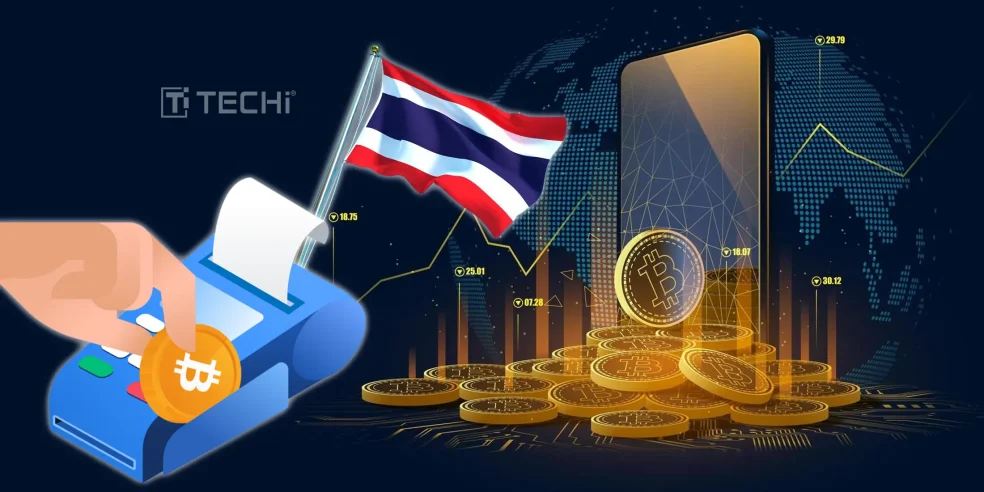
The Thai government is on the brink of unveiling a new digital currency payment initiative, Tourist Digi Pay, designed to invigorate its sluggish tourism industry. This innovative project will allow foreign visitors to exchange their cryptocurrencies for Thai baht, which can then be spent using licensed e-money companies for digital transactions. The aim is to streamline the travel experience for cryptocurrency users and position Thailand as a competitive option among regional travel destinations, boosting tourist numbers.
The Tourist Digi Pay Mechanism
The service is set to launch on Monday; however, tourists wishing to use it must first complete Know Your Customer (KYC) procedures by registering with a digital asset business and an e-money provider that are both regulated by the central bank and Thailand’s securities authority. Stringent regulations will be enforced, preventing tourists from withdrawing cash in person and imposing monthly spending limits. These measures are intended to mitigate risks while ensuring that visitors can manage their finances effectively.
This is Why Thailand is Embracing Crypto
Thailand has historically relied heavily on tourism, particularly from Chinese travelers, as a cornerstone of its economy. However, recent data reveals a downturn, with tourist arrivals in the first half of 2025 plummeting to 16.8 million, a slight decrease from 17.7 million during the same period last year. Alarmingly, there was a 34% reduction in visits from Chinese tourists, alongside a 24% decline in overall visitors from East Asia. This decline is occurring as neighboring countries become more attractive; for instance, a weaker yen is making Japan more affordable and Vietnam is emerging as a budget-friendly alternative. Thai officials view the introduction of digital payment systems as a strategic opportunity to differentiate their tourism offerings.
Government Push and Future Plans
Finance Minister Pichai Chunhavajira, who also serves as Deputy Prime Minister, is the main advocate for this initiative. He first introduced the Tourist Digi Pay concept during an investment seminar in May, with further details to be unveiled on Monday. The project has been under consideration for quite some time, and earlier this year, Thailand piloted cryptocurrency payments for tourists in Phuket, one of its top tourist destinations. This trial is still ongoing, and the government is eager to expand the initiative nationwide. Additionally, Thailand’s Securities and Exchange Commission (SEC) concluded a consultation in August regarding the use of financial technology and digital assets to boost economic growth, signaling a formal endorsement for increased cryptocurrency adoption.
The World Trend of Crypto in Tourism
Thailand is not alone in experimenting with cryptocurrency payments for visitors. Several other countries and businesses are exploring similar initiatives. For example, Bhutan has introduced crypto payments through a partnership with a local bank and Binance Pay, while the United Arab Emirates recently established an agreement with Crypto.com to allow passengers to pay for tickets and onboard services using cryptocurrency. Even private enterprises are joining the trend, with Jeff Bezos’s Blue Origin accepting Bitcoin, Ether, Solana, and stablecoin transactions for space tourism. These developments indicate that digital currencies are gradually becoming integrated into mainstream travel and tourism sectors.
Both Opportunities and Risks
Thailand’s initiative with the Tourist Digi Pay project presents a dual-edged sword, offering significant potential benefits but also inherent risks. On one hand, it could enhance Thailand’s appeal to crypto-savvy travelers by providing a user-friendly method for spending without relying on traditional banking systems or currency exchange. This convenience could particularly benefit long-term visitors and frequent travelers. On the other hand, the project may face regulatory and security challenges. Authorities must ensure robust anti-money laundering measures and effective spending controls. Additionally, tourists might be deterred by high transaction fees or the lack of acceptance for the payment system among local businesses. Thailand’s ambition to create a crypto payment sandbox reflects not only a commitment to boost tourism but also a global trend of integrating cryptocurrency into everyday life. The successful launch of Tourist Digi Pay may help Thailand stand out in the competitive Asian tourism market and illustrate how digital assets can be incorporated into the national economy. However, this will require careful oversight, advanced technology, and ensuring that tourists perceive real value in utilizing cryptocurrencies over traditional currencies.


